
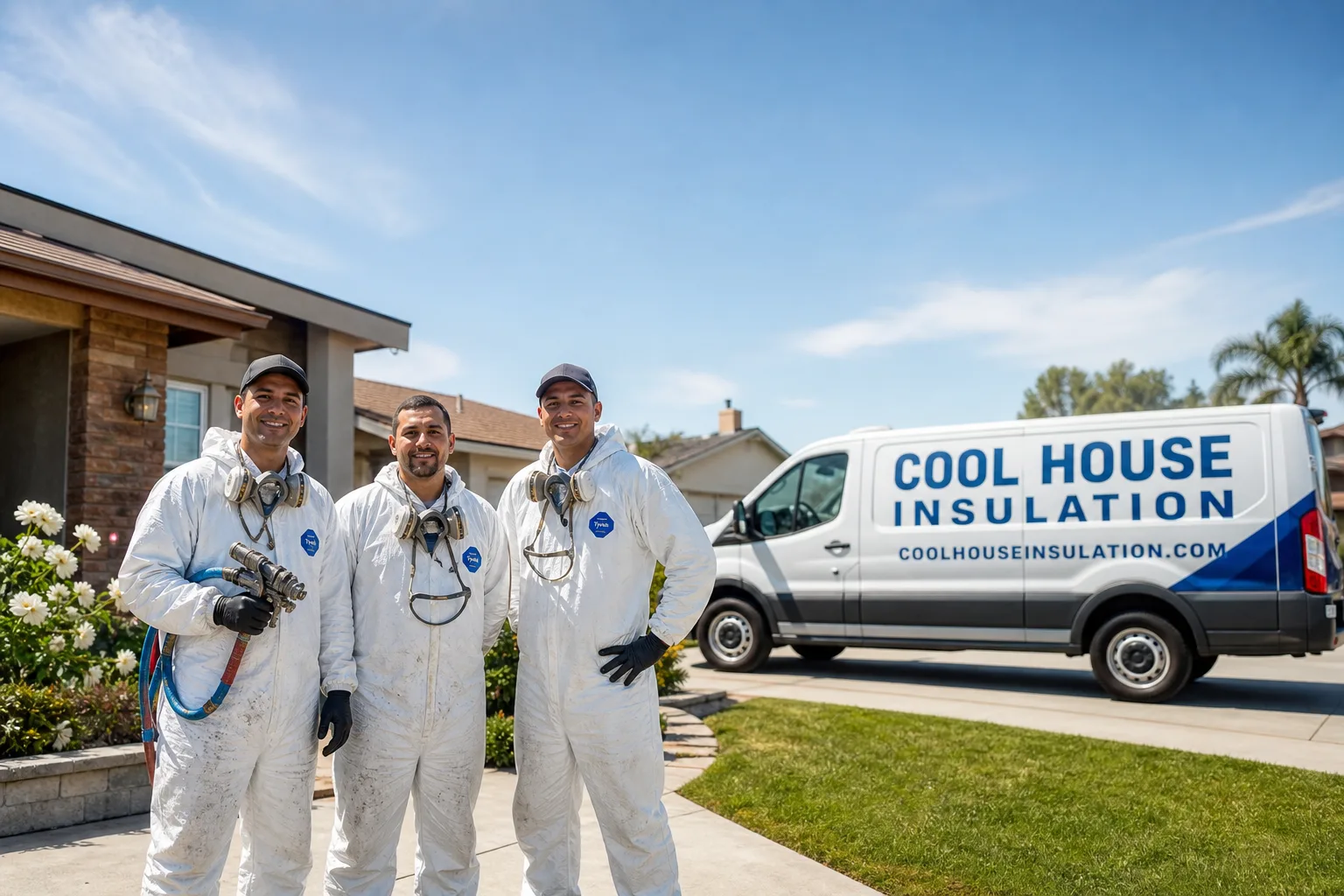
Fast, Reliable Attic Insulation Across Redondo Beach
Attic insulation in Redondo Beach costs $1.85 to $4.20 per square foot installed, with most single-family homes running $2,400 to $6,800 depending on material and access. Blown-in fiberglass or cellulose typically lands at the lower end, while spray foam runs higher because of the moisture-sealing benefits that matter here. Our crews reach most Redondo Beach neighborhoods within 45 to 60 minutes from our La Palma shop, and we keep same-week scheduling open for beach-close properties in 90277 and 90278. If you’re planning an insulation upgrade, call (855) 341-7810 and we’ll give you an honest recommendation based on what’s actually happening in your attic, not a script.
The marine layer changes everything about how insulation performs in this city. You’re not fighting extreme heat the way inland homeowners are. You’re fighting condensation, salt corrosion, and the slow breakdown of materials that were never chosen for a coastal environment. Attic Insulation done right here means selecting products and installation details that hold up to damp air and salt spray. That’s the conversation we have every week with homeowners from the Avenues to the Village to the Golden Hills.
Why Cool House Insulation Is Redondo Beach’s Preferred Attic Insulation Company
We’re a brand-agnostic insulation contractor, which means we don’t push one manufacturer’s product onto every job. We carry eight brands, including Owens Corning, Johns Manville, CertainTeed, Knauf, and Rockwool, plus spray foam from Icynene and Demilec. When we inspect a 1950s rancher near Aviation Boulevard, we’re thinking about which material tolerates elevated attic humidity and salt-laden air, before we talk price. Most single-brand installers can’t have that conversation because they only have one answer.
Our team responds to Redondo Beach calls faster than most shops because this city is a regular route for us, not an occasional trip. Homeowners along Artesia Boulevard and the beach-adjacent streets near the Esplanade know they can get an assessment within a day or two, not a week. Noel Carrasco set the standard for how we operate: diagnose first, recommend second, and never sell a product the house doesn’t need. That discipline matters when a crawl space is breathing ocean moisture into an attic.
What separates us in Redondo Beach specifically is that we’ve seen the same failure pattern hundreds of times. Older homes in the 90277 ZIP, especially those built in the 1950s and 1960s with raised foundations, often carry original fiberglass batts that absorbed decades of marine-layer moisture. They look fine from the scuttle hole and measure terribly once you pull them. We test, we photograph, and we show you what’s actually up there before recommending anything.
Attic Cleaning Services in Redondo Beach
Attic Cleaning Services in Redondo Beach address what the marine layer leaves behind: compacted, moisture-saturated insulation, rodent activity, accumulated dust and debris, and the kind of organic buildup that feeds mold in a coastal attic. We don’t just vacuum and go. We remove degraded material, check for salt corrosion on straps and fasteners, and prep the space so whatever insulation goes in next actually performs. A cleaning-heavy job here usually runs $1,200 to $2,800 depending on attic size and how much saturated material has to be bagged and hauled.
When Coastal Attics Need Deep Cleaning
If your insulation has been in place since the original build and your home is within a half mile of the water, assume it’s absorbed more moisture than it should have. The telltale signs are a musty smell that gets stronger after foggy mornings, higher bills without any obvious cause, and insulation that looks flattened or discolored. In the older beach-close neighborhoods near King Harbor, it’s common to find original fiberglass in crawl spaces that has become saturated and compacted from years of marine layer moisture, leading to reduced R-value and hidden mold.
Prep Work Before New Insulation Goes In
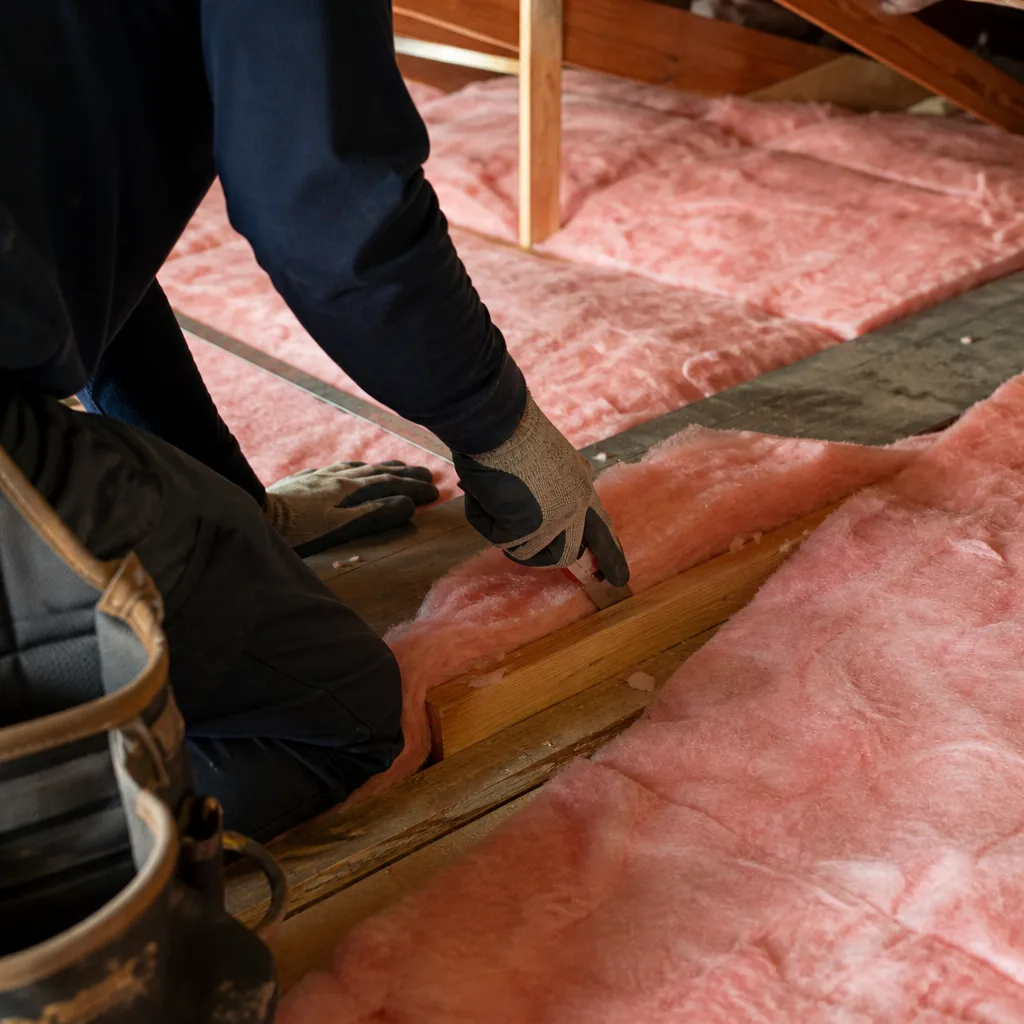
Nobody should blow or bat new insulation over old, damp material. We remove the degraded layers, treat any surface mold on decking and joists, and let the space dry before installing anything. On raised-foundation homes in 90278, we also look at crawl space venting and whether the floor assembly is transferring moisture upward. If the path from crawl space to attic isn’t addressed, new insulation just absorbs the same moisture the old stuff did.
What happens when you call
- 1
A real person answersNo phone trees — you reach a local pro.
- 2
You get an upfront price rangeHonest numbers before anyone is dispatched.
- 3
A background-checked tech heads outLicensed & insured, dispatched right away.
- 4
You approve before work beginsNothing starts until you say go.
Attic Mold Removal in Redondo Beach
Attic Mold Removal in Redondo Beach is almost always tied to condensation, not leaks. The same marine layer that keeps your outdoor mornings damp can settle in an under-vented attic, especially in older beach-close homes where the original insulation trapped moisture against the decking. We remove the affected insulation, treat the surfaces with an antimicrobial solution that’s appropriate for inhabited spaces, and improve ventilation so the problem doesn’t return. Mold remediation on a typical 1,200-square-foot attic in Redondo Beach runs $1,800 to $4,500, with the higher end reflecting framing and decking treatment in larger or heavily affected spaces.
What We Find in Beach-Area Attics
On a raised-foundation 1950s home near King Harbor, our crew pulled original fiberglass batts from the attic that had saturated and compacted into dense mats from years of marine-layer moisture, with mold starting on the decking. We removed and bagged the degraded material, treated the affected surfaces, then installed moisture-resistant Owens Corning batts over a properly vented vapor barrier with stainless fasteners so the salt air wouldn’t eat the supports. The homeowner’s musty odor cleared and the attic finally held its rated R-value.
Mold in coastal attics often shows up first as a smell, not a visible stain. If you notice a musty odor that appears or worsens after foggy stretches, or if the upper floor of your home feels damp even when the heat isn’t running, get the attic checked. The longer saturated insulation sits against wood, the deeper the mold can penetrate.
Why Salt Air Changes the Equation
Salt-laden onshore air corrodes staples, fasteners and support strapping, letting batts sag and pull away from the decking over time. That sagging creates gaps where conditioned air escapes and outside air enters. When we remediate mold near the coast, we replace corroded supports with stainless hardware and verify that the insulation is physically secured, not just laid in place.
Trusted Brands We Service in Redondo Beach
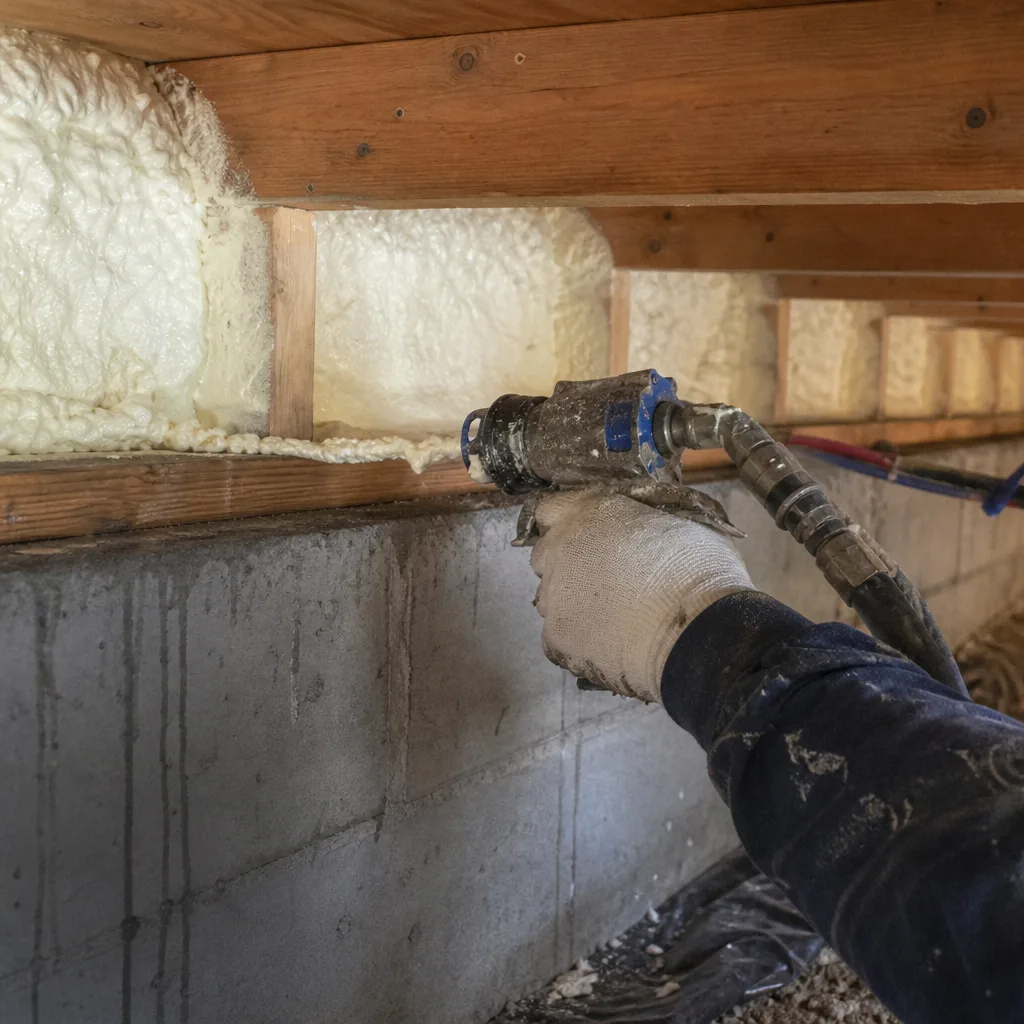
Because we’re not tied to one manufacturer, we recommend the material that fits your attic’s moisture profile and your budget. For coastal attics with persistent humidity, we lean on Owens Corning fiberglass with its moisture resistance, Rockwool for its fire-resistance and soundproofing, and Knauf when thermal performance and dimensional stability matter most. Spray foam from Icynene and Demilec is worth considering for Redondo Beach attics with irregular framing or where sealing air movement is as important as R-value. We stock common materials and stainless fasteners for Redondo Beach jobs specifically, which shortens our turnaround time when an inspection finds corrosion or water damage mid-project.
Common Attic Insulation Problems We See in Redondo Beach Homes
- Condensation-saturated fiberglass in older beach-close homes. Original fiberglass batts saturate and compact from persistent coastal fog and elevated attic humidity, silently dropping R-value before any leak is visible. You can lose a third of your insulation’s performance and never see a stain.
- Salt corrosion on attic fasteners and supports. Staples, wire supports, and strapping rust and fail in salt-laden air, letting batts sag and pull away from the decking. The insulation is still there, but it’s not doing its job because it’s no longer in contact with the surfaces it’s supposed to protect.
- Crawl-space moisture migrating upward into the attic. Open crawl spaces in older raised-foundation homes trap condensation from the marine layer, and that moisture travels up through wall cavities and floor systems. By the time it shows up in the attic, the problem has been building for months.
- Under-vented attics trapping damp air and mold. Many mid-century Redondo Beach homes have minimal ridge or soffit venting, and the persistent onshore flow keeps humidity elevated. Without proper baffles and airflow, condensation settles on decking and joists, feeding hidden mold that surfaces as odor and spiking bills.
Pricing for Attic Insulation in Redondo Beach, CA
A typical attic insulation replacement in Redondo Beach runs $2,400 to $6,800 for a 1,200-to-1,800-square-foot home, with blown-in fiberglass at $1.85 to $2.75 per square foot and batts at $2.10 to $3.40 per square foot. Spray foam runs $3.90 to $7.25 per square foot because it seals air movement and resists moisture absorption, which matters in the coastal zones of 90277 and 90278. Top-up jobs, where we add material over existing insulation that tests dry, run $1,100 to $2,200. Mold remediation and cleaning add $1,200 to $4,500 depending on the extent of the contamination. Our estimates are free and we’ll show you the numbers before any work starts. Call (855) 341-7810 for a direct quote on your attic.
We Also Serve Cities Near Redondo Beach
Our crews cover the South Bay coastline beyond Redondo Beach, including Attic Insulation in Redondo Beach, Hermosa Beach, Manhattan Beach, Palos Verdes Estates, and Lawndale. If you’re just outside the city limits or split your time between the beach and the hill, we can schedule your attic work with the same crew and the same coastal-exposure checklist.
Serving Redondo Beach, CA — Our Local Coverage Area
We’re based in the Redondo Beach area and know this community well. Use the map below to see our service coverage — if you’re nearby, we can almost certainly help.
FAQs About Attic Insulation in Redondo Beach
The marine layer is the main culprit. Redondo Beach sits right against the Pacific, and the persistent coastal fog keeps attic humidity elevated for hours every morning. That moisture condenses inside insulation batts, which gradually saturate, compact, and lose their R-value. Inland cities like Torrance don’t get the same sustained humidity load. On top of that, salt-laden air here corrodes the fasteners and supports that hold insulation in place. So you get a double failure: material degradation from moisture and mechanical failure from rust. Call (855) 341-7810 if you suspect your attic insulation has absorbed years of marine moisture. We’ll test it and give you an honest read.
Most likely, yes. The combination of marine layer humidity and older insulation in King Harbor and other beach-close neighborhoods creates the perfect environment for mold growth on batts and decking. The smell is usually the first sign, appearing or intensifying after foggy mornings. We remove the saturated material, treat the surfaces, and install insulation with proper venting so the attic can dry out. You can call (855) 341-7810 and we’ll schedule an inspection with a moisture meter reading.
We do. Salt-laden onshore air corrodes standard staples and wire supports quickly in Redondo Beach, especially in attics with open soffit vents facing the ocean. So we specify stainless fasteners and coated supports for coastal installs. It’s a small material cost increase that keeps insulation secured against the decking for decades instead of sagging after five or six years. We also verify existing supports during every inspection and replace any that show rust or fatigue.
Older raised-foundation homes in Redondo Beach often have open crawl spaces that trap marine-layer moisture underneath the house. That moisture migrates up through the floor assembly and wall cavities into the attic, which means your attic insulation is being attacked from below even if the roof is tight. We check crawl space conditions as part of the attic inspection, and we may recommend venting adjustments or vapor barrier work under the floor before or during the attic installation. It’s the only way to prevent the new insulation from absorbing the same moisture the old stuff did.
For Redondo Beach’s humid, salt-exposed attics, we commonly recommend Owens Corning fiberglass for its moisture resistance, Rockwool for fire-resistance and soundproofing, and Knauf where thermal stability matters. We also install spray foam from Icynene and Demilec when air sealing and moisture control are the priorities. Our recommendation depends on your attic’s specific conditions, not a brand preference. Call (855) 341-7810 and we’ll walk you through the options with numbers in hand.
Written by Noel Carrasco, Owner at Cool House Insulation, serving Redondo Beach and the South Bay with brand-agnostic attic insulation since the company’s founding.