Fast, Reliable Attic Insulation Across La Habra
Attic insulation in La Habra typically costs $1,800 – $4,600 depending on your attic’s square footage, current insulation depth, and whether we’re adding a radiant barrier or top-up versus a full removal and replacement. Most jobs are completed in a single day, and we schedule within three to five business days for standard work. If your energy bills have crept up while your upstairs rooms stay hot in July, the fix is probably sitting right above you. Our crew knows every attic type in this city, from 1950s tracts near the flatlands to hillside builds up toward the 90631 zip. Call us at (855) 341-7810 for a free estimate.
Why Cool House Insulation Is La Habra’s Preferred Attic Insulation Company
We’re not tied to one manufacturer. That matters in a city like La Habra, where the right insulation on the south side can be the wrong call two miles north. Our brand-agnostic approach means we select from eight manufacturers including Owens Corning, Johns Manville, CertainTeed, and Rockwool, and we install the method that fits your specific roof pitch, framing, and microclimate. Attic batts, blown-in, or spray foam, the house dictates the spec, not our inventory.
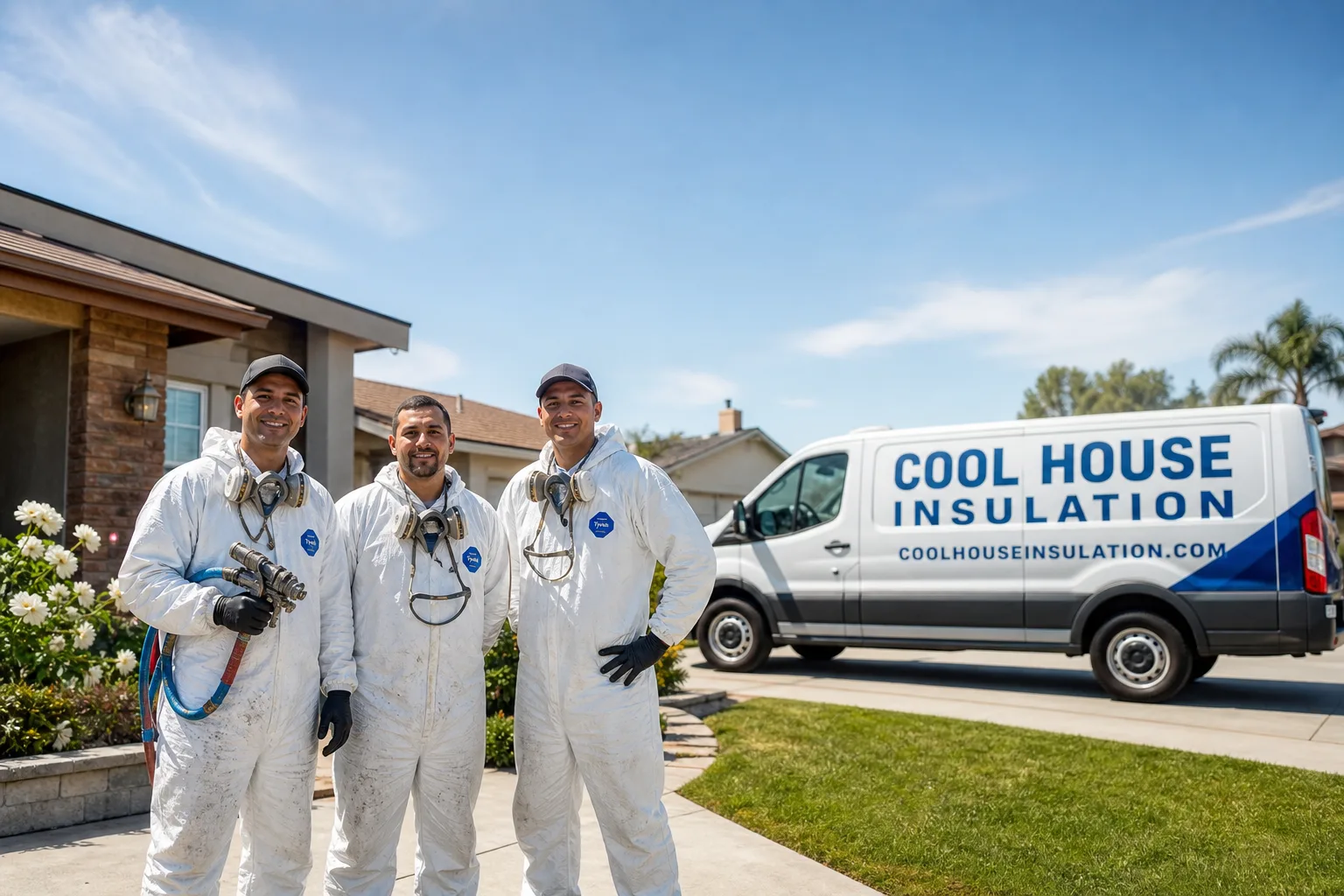
La Habra homeowners call us because we diagnose before we quote. Noel Carrasco, who leads our team, has walked hundreds of mid-century attics across Orange and LA counties, and he’s trained our crew to look at venting, air leaks, and corrosion before touching a single batt. That’s the difference between insulation that works for a season and insulation that performs for decades. Our Attic Insulation team handles everything from quick top-ups to full removals with the same systematic approach.
We also understand how La Habra’s split climate affects your home. When a customer near the flatlands calls about damp insulation smell and a customer in the hills calls about a 140°F attic, we don’t give them the same answer. We’ve built our local reputation on giving different answers to different streets, because that’s what the houses need.
Radiant Barrier in La Habra
Radiant Barrier in La Habra is a reflective foil layer installed under your roofline to reflect radiant heat away from the attic floor. In a city where foothill-side attics regularly hit 130°F in August, it’s one of the most cost-effective upgrades we do. A typical radiant barrier installation in La Habra runs $900 – $2,200 depending on attic accessibility and whether we combine it with batts or blown-in insulation. The material itself accounts for about a third of that cost; the rest is labor getting it stapled correctly across rafters in tight, low-pitch spaces.
What It Solves
On a 95°F La Habra afternoon, your roof deck can reach 140°F or more. Radiant barrier reflects that heat before it radiates down into your insulation and living space. Homes on the north side of town, up toward the foothills, see the biggest difference, sometimes a 20 – 30°F drop in attic temperature on the hottest days.
When to Add It
You’ll benefit most if your attic has dark shingle roofing, limited ventilation, or you’re already adding new insulation. We often install radiant barrier during a full insulation replacement since we’re already in the attic and labor costs overlap. If your attic currently has no barrier and your upstairs rooms are consistently warmer than downstairs, this is worth discussing.
Attic Cleaning Services in La Habra
Attic Cleaning Services in La Habra address the years of dust, rodent droppings, corroded vent-screen debris, and old degraded insulation that accumulate in older attics. In a city dominated by 1950s – 1970s homes, many attics haven’t been cleaned since they were built. A typical attic cleaning in La Habra runs $600 – $1,500 for a standard single-story home; contaminated insulation removal adds $1,200 – $2,800 depending on square footage and access. The job matters because dirty, compressed insulation doesn’t insulate, and pest activity in old attics can compromise air quality below.
Why Age Matters Here
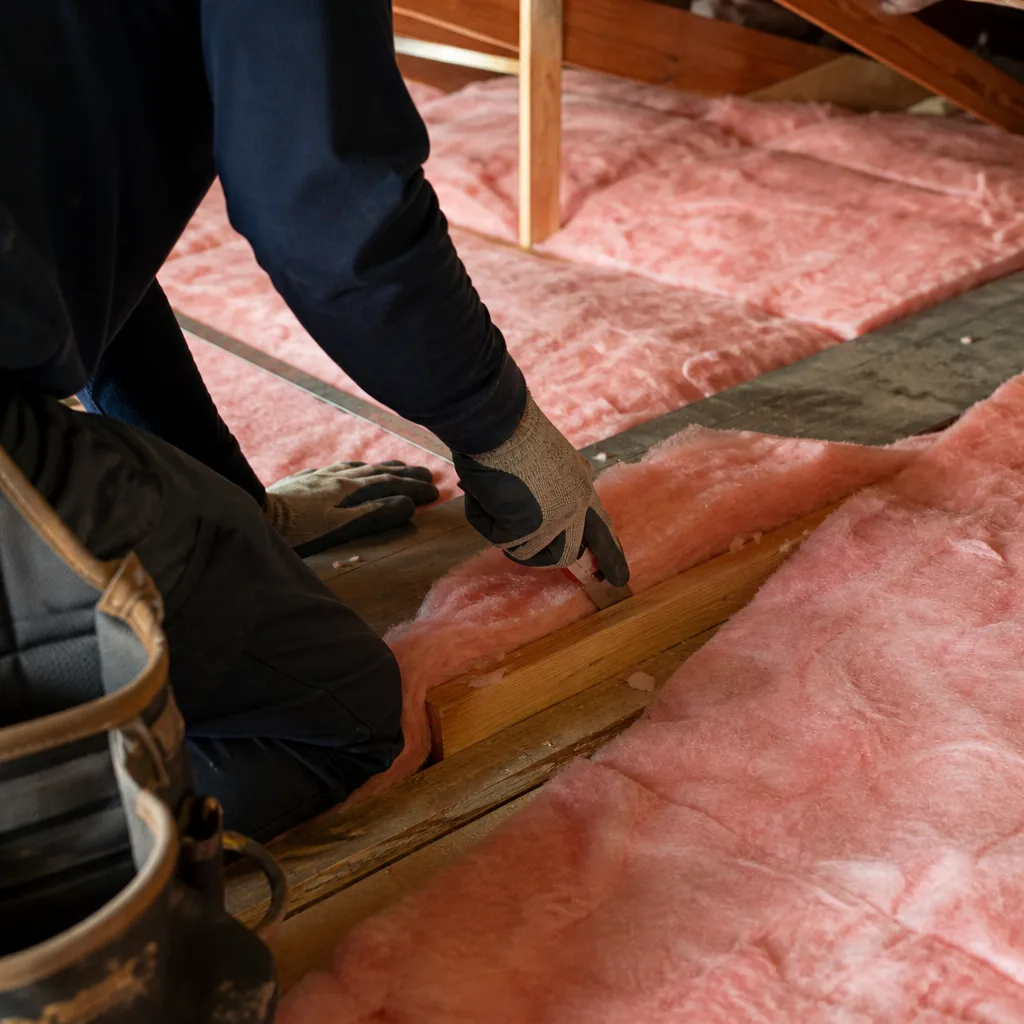
Most La Habra ranch homes are 50 – 70 years old. That’s enough time for original batt insulation to compress, collect dust and rodent nesting, and trap the marine-layer moisture that drifts over the flatlands. We find this constantly in homes off Whittier Boulevard and down toward the 90631 zip. When we clean, we inspect for moisture damage to roof decking and framing before installing anything new.
Combining With New Insulation
The cleanest path is rarely to clean the attic and leave old R-8 batts in place. Most of our La Habra customers combine cleaning with replacement or top-up. It’s faster and cheaper to do both in one visit, and the result is a dry, ventilated attic with insulation that actually delivers its rated R-value.
What happens when you call
- 1
A real person answersNo phone trees — you reach a local pro.
- 2
You get an upfront price rangeHonest numbers before anyone is dispatched.
- 3
A background-checked tech heads outLicensed & insured, dispatched right away.
- 4
You approve before work beginsNothing starts until you say go.
Trusted Brands We Service in La Habra
We install and service the full range of attic insulation materials, and we’re authorized across eight manufacturer lines. That list includes certain names La Habra homeowners recognize: Owens Corning and Johns Manville for fiberglass batts and blown-in, CertainTeed for specialty batt performance, and GreenFiber for recycled-content blown-in options. For foam applications we carry Icynene and Demilec, the two names most trusted in open- and closed-cell spray foam. Rockwool is in our portfolio too, for homeowners who want mineral wool’s fire resistance and sound deadening in addition to thermal performance. We match the product to what performs in your attic, not to a brand quota.
Common Attic Insulation Problems We See in La Habra Homes
- Compressed, moisture-holding batts on the south side: Marine-layer dampness from the flatlands seeps into older attics and gets absorbed by fiberglass that’s already lost its loft. R-19 batts compressed to R-8 don’t just underperform, they hold onto humidity that promotes mold on the roof deck.
- Inadequate ridge and soffit venting in low-slope roofs: The mid-century tracts were built with minimal attic ventilation by today’s standards. On hillside homes with severe summer heat gain, trapped hot air pushes into the living space and drives AC bills up.
- Corroded fasteners and vent screens from salt-air influence: Coastal influence reaches further inland than most people expect, and La Habra’s older attics show it. Fasteners rust, vent screens disintegrate, and openings appear that let pests into the attic.
- Original batt insulation never topped up since installation: We routinely find attics in 1960s ranch homes still sitting on the insulation the builder put in. R-8 to R-11 is common, far below the R-38 to R-49 recommended for this region.
Pricing for Attic Insulation in La Habra, CA
Attic insulation in La Habra runs on a spectrum. A simple blown-in top-up over existing insulation typically costs $1,200 – $2,500. Full batts or blown-in replacement ranges $2,800 – $4,600 for a standard 1,000 – 1,500 square foot attic. Radiant barrier alone runs $900 – $2,200. Attic cleaning starts around $600 and climbs with contamination. Factors that move your project within these ranges include attic height, access point size, existing insulation condition, and whether we’re also addressing ventilation. Get a free estimate by calling (855) 341-7810, no guesswork.
We Also Serve Cities Near La Habra
Our crews cover a lot of ground around La Habra, and we’re regularly in La Habra Heights, East La Mirada, Fullerton, and La Mirada. If you’re just outside the city line, call anyway. Our scheduling is flexible enough that a Fullerton or La Mirada job often slots in the same week as a La Habra project.
Serving La Habra, CA — Our Local Coverage Area
We’re based in the La Habra area and know this community well. Use the map below to see our service coverage — if you’re nearby, we can almost certainly help.
FAQs About Attic Insulation in La Habra
La Habra sits at the boundary between the cooler LA basin and the hotter inland foothills, so homes on the north side of the city get significantly more summer heat gain than homes in cities further west. A radiant barrier makes sense for many La Habra homes because those attics hit 130°F+ regularly in July and August. The specific answer depends on which side of La Habra your home occupies. Call (855) 341-7810 and we’ll check your attic directly.
Every two to three years is enough for most homes, but if you’re on the south side where marine-layer humidity reaches, check annually. Look for damp spots on the roof deck, compressed batts, rust on fasteners, and any evidence of rodents. A quick visual check takes ten minutes and can catch a small moisture problem before it becomes mold or wood rot.
Remove and replace it. Compressed fiberglass batts in a 1960s La Habra attic are typically performing at R-8 to R-11, far below modern code recommendations. Adding more insulation on top of compressed batts doesn’t fix the air leaks or the moisture held in the old material. We remove the old batts, air-seal the top plates, and install fresh material at the correct R-value for your side of the city. Call (855) 341-7810 for a free assessment.
Yes, and this is where a generic insulation job goes wrong. Marine-layer humidity on the flatlands side means your attic needs moving air to dry out, not just more insulation. We see homes where someone blew in extra insulation over a blocked ridge vent, and the attic stayed damp year-round. Proper ridge and soffit ventilation matters as much as R-value on the south side.
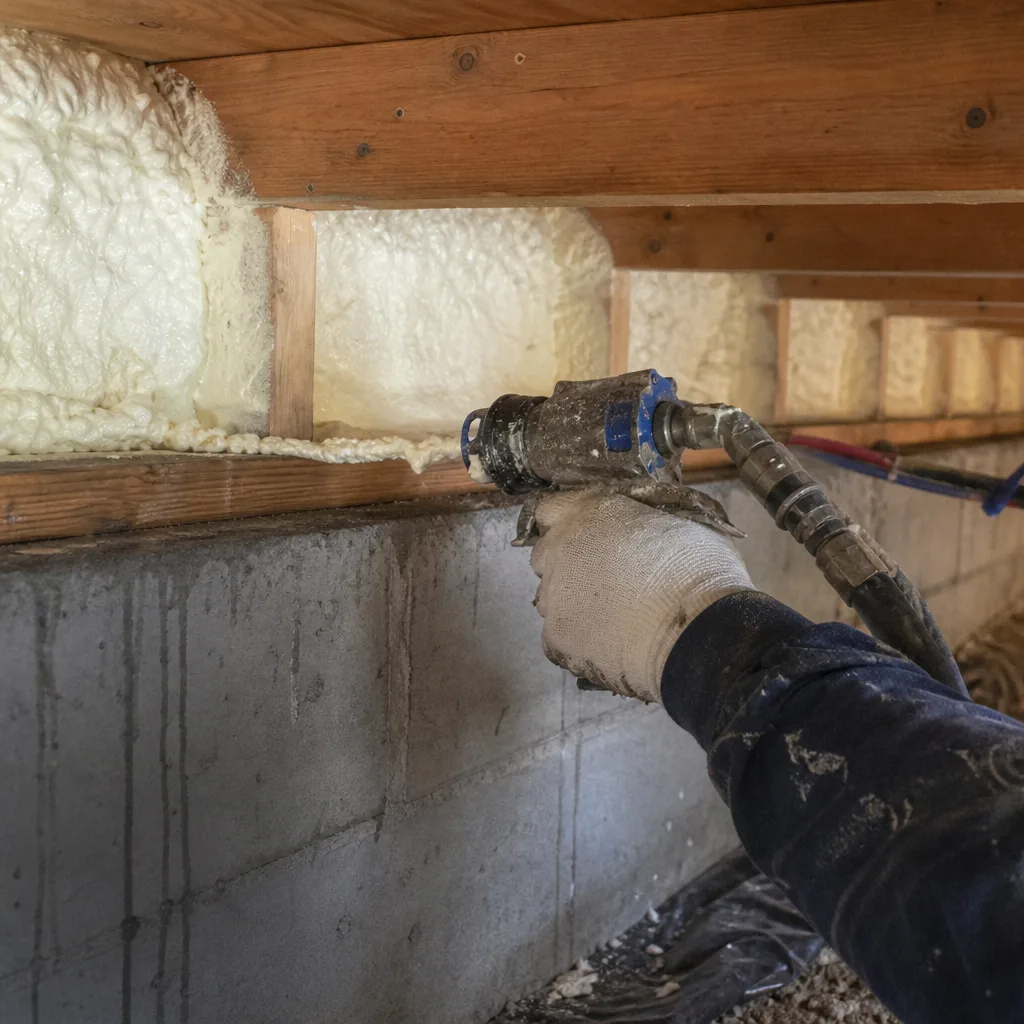
Yes, this is most of the work we do in La Habra. Low-slope roofs make attic access tight, but our crew works in confined spaces every day. We handle blown-in cellulose and spray foam particularly well in low-pitch attics because the material reaches the shallow eaves where batts can’t fit. The key on low-pitch La Habra roofs is getting ventilation right, and that’s part of the job.
Written by Noel Carrasco, Owner at Cool House Insulation, serving La Habra and the surrounding communities.